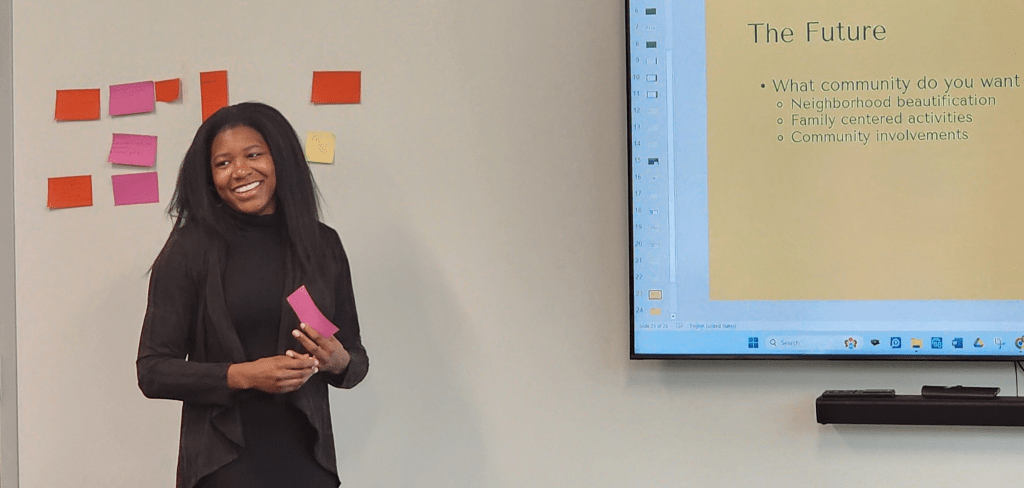
Community planning is a vital process that shapes the future of neighborhoods, ensuring they evolve in a way that reflects the desires and needs of the residents. Recently, I had the opportunity to host a community planning meeting in our neighborhood with the board, where we discussed the foundational aspects of our community and our collective vision for the future. The experience reinforced the importance of coming together to create the community we all want to live in.
Understanding Our Community: The first step in effective community planning is to fully understand the current landscape. This includes being familiar with our community’s covenants and restrictions, which serve as the backbone of our neighborhood’s structure and governance. During the meeting, I guided residents through these essential documents, showing them how to access them through both our community’s internal site and the county’s official records.
It is crucial for residents to know where to find these documents because they outline the rules and guidelines that help maintain our neighborhood’s character and integrity. For instance, we discussed the Articles of Incorporation, Declarations, and the implications of the Marketable Record Title Act (MRTA), which ensures that our community’s covenants remain enforceable.
Envisioning Our Future: With a solid understanding of our community’s foundation, we shifted our focus to the future. I organized a group activity that was both simple and impactful, asking residents, “What community do you want to live in?” Each participant wrote their thoughts on sticky notes, which I then collected, read aloud, and categorized on the wall.
What stood out to me was the similarity in the responses—our community shares a common vision. This led to a productive discussion where we prioritized two key ideas. One of these priorities was already underway, so we decided to form a committee to tackle the second initiative. This collaborative effort is a significant step forward in ensuring that our community continues to grow and develop in a way that aligns with our shared aspirations.
Moving Forward: Now that we have a clearer understanding of our community’s background and a collective vision for the future, we are well-positioned to take our community to new heights. The meeting was just the beginning of what will be an ongoing conversation and effort to improve our neighborhood.
Presentation Recap: Here is a brief recap of the 5 key features of the presentation I used to keep the discussion on track:
• Introductions (7 minutes): We started with a fun icebreaker where neighbors introduced themselves, shared the street they live on, and revealed a little-known fact about themselves. Then, I shared a little-known fact about our community.
• Articles of Incorporation (7 minutes): We discussed the purpose of our association, emphasizing its role in maintaining our community’s well-being and preserving its architectural integrity.
• Declarations (11 minutes): We covered the essential declarations, including architectural control and general restrictions, that govern our community.
• Community Planning (20 minutes): This was the heart of our meeting, where we explored our vision for the future and set actionable priorities.
• Closing (5 minutes): We wrapped up by discussing the next steps and the formation of a new committee to spearhead our next big initiative.
Next Steps: As we move forward, I encourage residents to stay engaged in the planning process. Whether through joining the new committee or simply staying informed, every contribution counts. Together, we can ensure that our community remains a place where everyone feels proud to live.

